
The use of a limo service Niagara is ideal for business as well as personal purposes. When you are traveling on business, a limo provides a luxurious ride without the hassle of driving. You can get work done without worrying about being late or having to take a cab. You can also relax and enjoy your time on the road. A limousine can accommodate up to five passengers. If you’re traveling to an unfamiliar city, this option is especially helpful.
If you’re planning a formal event, you’ll need a stretch limousine to arrive on time
Choosing a limousine rental company based on the length of your stay is a good idea. Companies that have been in business for a long time are likely to have plenty of vehicles available for hire. Make sure that the company has multiple fleets. This way, you can make sure you’ll never have to wait for a limo.
When choosing a limousine service, look for one that has been around for a long time
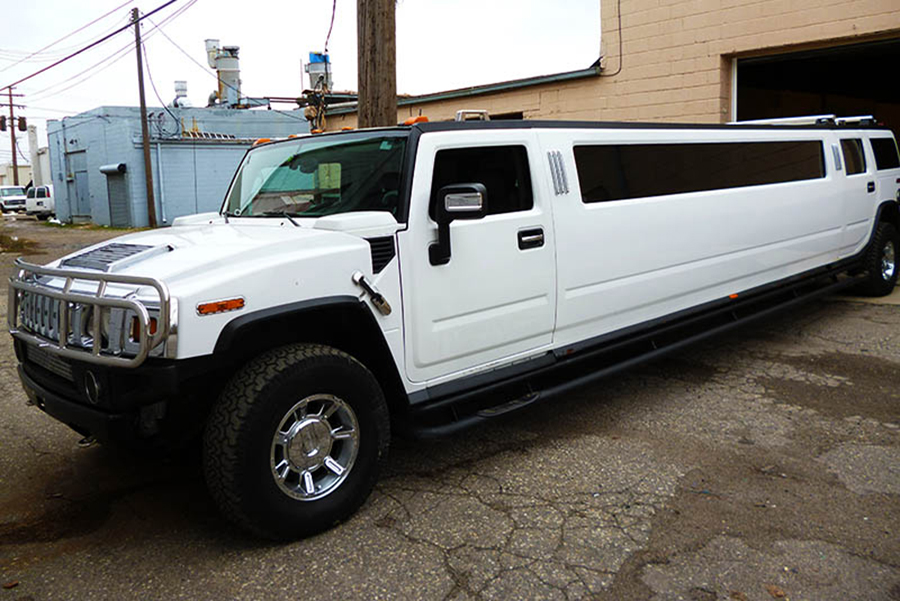


A limo rental company will likely have more than one fleet of vehicles, which is a good sign that it’s established in the industry. A longer list means that the company’s fleet is larger and more expensive, which means more luxury vehicles. A longer list of vehicles also indicates the company’s quality. If the service is well-established, you can expect to pay a higher price.
Another good way to find a limousine service that will suit your needs is to check the length of time they’ve been in business. A company that has been in business for many years is likely to have more than one fleet. While car rental companies may not take much pride in their longevity, a limousine service will most likely have a large fleet of vehicles that will meet your needs. The more time a company has been in business, the more comfortable you’ll be.
A limo service will provide round-the-clock availability
While you may be a busy person, a limousine service can provide a comfortable ride to and from airports. The cost of the transportation will depend on how many passengers you’re transporting. The more passengers you have, the cheaper it is. For a small party, a party bus will work fine. If you’re traveling with a larger group, a stretch limo will be perfect.
A limousine service will charge you for a fixed amount of time
It will charge you by the hour, and you’ll be charged by the hour. A standard limo will cost you anywhere from $30 to $100 an hour, depending on the size of your party. If you have an additional requirement, ask your limousine service about a minimum number of hours. It’s best to choose a company with a minimum of hours to avoid a minimum rental fee.